The United Kingdom is changing the way it approaches development. Its new development policy speaks explicitly about moving from "donor to investor" — placing greater emphasis on investment, trade, expertise and locally led development.
As someone who has long advocated trade and investment as engines of economic development, I welcome this direction. But for Malawi, there should also be a warning: the world will not invest in us simply because we need investment.
For decades, aid has made an important contribution to Malawi, particularly in health, education, humanitarian assistance and support for vulnerable communities. That contribution should not be dismissed.
However, we must be prepared to ask ourselves an uncomfortable question: after decades of development assistance, why does Malawi remain one of the world's Least Developed Countries?
The numbers demonstrate the scale of the challenge. The World Bank estimates that Malawi's economy grew by only 1.9% in 2025 — below population growth, and marking a fourth consecutive year in which GDP per capita declined. Inflation averaged 28.4% in 2025.
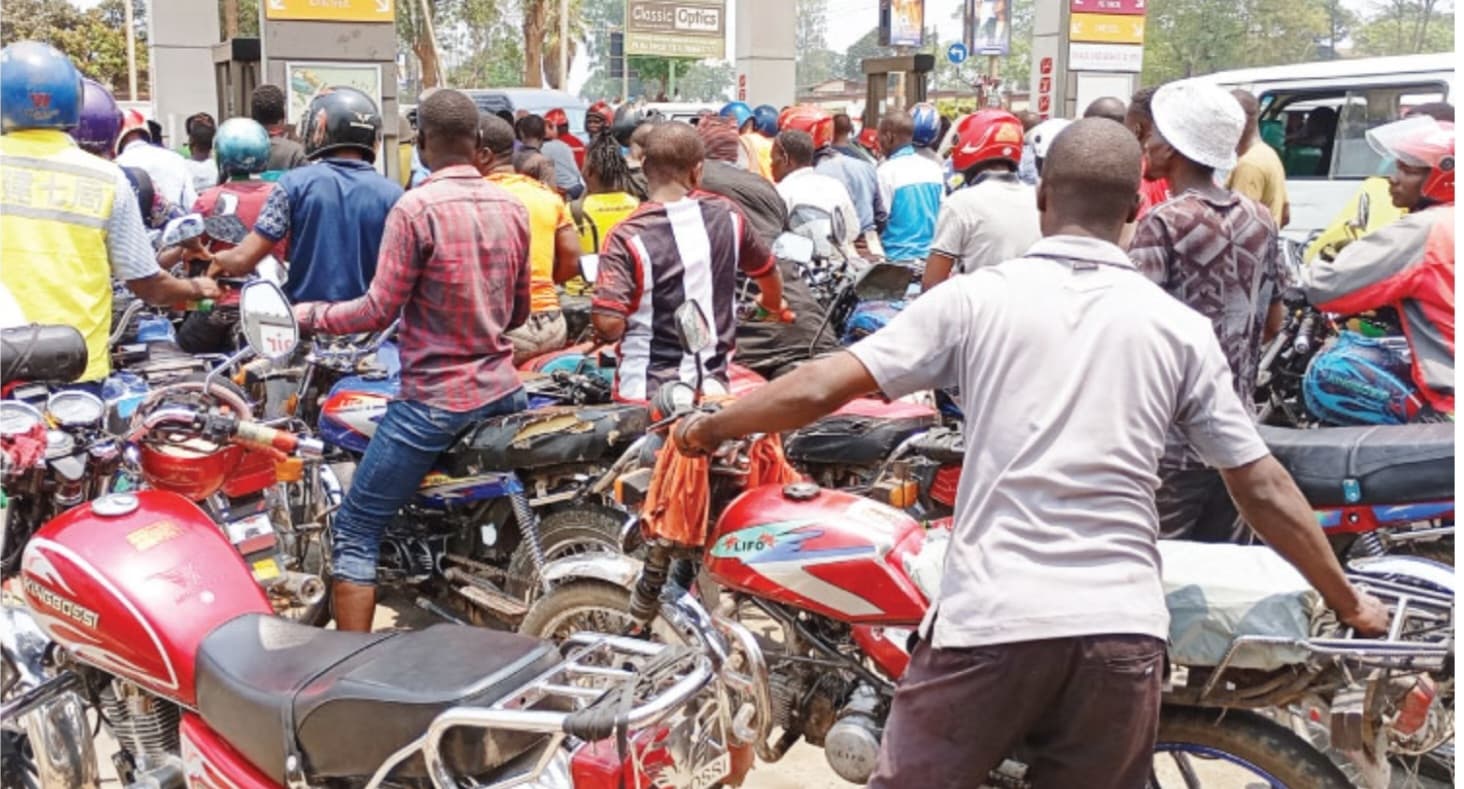
More concerning still is employment. Approximately 270,000 young Malawians enter the labour market every year, while only around 40,000 formal jobs are being created. The same World Bank assessment reports that just 6% of firms export, while businesses contend with expensive borrowing, limited foreign exchange, regulatory unpredictability and other constraints .
These are not abstract economic indicators. They represent young graduates unable to find jobs, businesses unable to obtain foreign exchange to purchase machinery, farmers struggling to increase productivity and families whose incomes are being eroded by rising prices.
Aid cannot be our permanent economic model
The debate should not be reduced to "aid versus trade." Malawi will continue to require targeted development and humanitarian assistance, particularly where vulnerable people would otherwise suffer. But aid should increasingly help us build the capabilities that eventually make some forms of aid unnecessary — building productive industries, developing skills, supporting entrepreneurs, attracting capital and dramatically increasing our ability to export.
The global competition for investment makes this urgent. UNCTAD reports that global foreign direct investment reached around US$1.6 trillion in 2025. Africa received approximately US$70 billion. Yet Least Developed Countries collectively accounted for only 2.7% of global FDI. In other words, capital exists — but it is highly selective about where it goes.
Investors are not donors
This distinction is fundamental. An investor considering Malawi is not primarily asking how much Malawi needs investment. They are asking: What is the opportunity? What is the return? What are the risks? Can I access foreign exchange? Can I repatriate legitimate profits? Is electricity reliable? Are regulations predictable? How quickly can approvals be obtained? Can I trust that the rules will not unexpectedly change after I invest?
And Malawi is not competing for investment in isolation. The same investor can consider Zambia, Tanzania, Rwanda, Kenya, Ghana or markets much further afield. Our abundance of natural resources and investment opportunities therefore means little unless we can make those opportunities investable.
Stop selling potential. Start selling propositions.
We frequently say that Malawi has enormous potential. We do. We have opportunities across agriculture and agro-processing, mining and critical minerals, renewable energy, tourism, manufacturing and digital services.
But investors cannot invest in "potential." They invest in propositions. Instead of simply telling international investors that Malawi has fertile land, minerals, sunshine and a young population, we should increasingly present them with properly developed opportunities: What is the project? How much investment is required? What is the projected return? Where is the market? What infrastructure exists? What incentives apply? What are the risks? Who are the potential local partners? What is the implementation timetable?
This requires government and its agencies to work much more closely with the private sector, financial institutions, development partners, chambers and investors to develop a credible pipeline of bankable investment propositions.
Malawi should focus on five things
First, restore macroeconomic credibility. High inflation, foreign-exchange shortages, debt pressures and fiscal instability inevitably affect investment decisions. Economic stability is not separate from investment promotion; it is its foundation.
Second, treat exports as a national emergency. Malawi cannot sustainably consume considerably more foreign exchange than it generates. We must produce more goods and services that regional and international markets want to buy.
Third, make doing business easier. Every unnecessary licence, unexplained delay, unpredictable regulation and informal payment increases the Malawi risk premium.
Fourth, add value before we export. Whether it is agricultural commodities or minerals, our ambition should increasingly be processing, manufacturing and value addition within Malawi, rather than exporting raw materials and importing finished products at significantly higher prices.
Fifth, mobilise the diaspora as an economic asset. Malawians abroad should not be viewed merely as people who send remittances home. The diaspora includes entrepreneurs, investors, academics, engineers, doctors and professionals with access to international capital, technology, expertise and commercial networks.
UKMCC must play its part
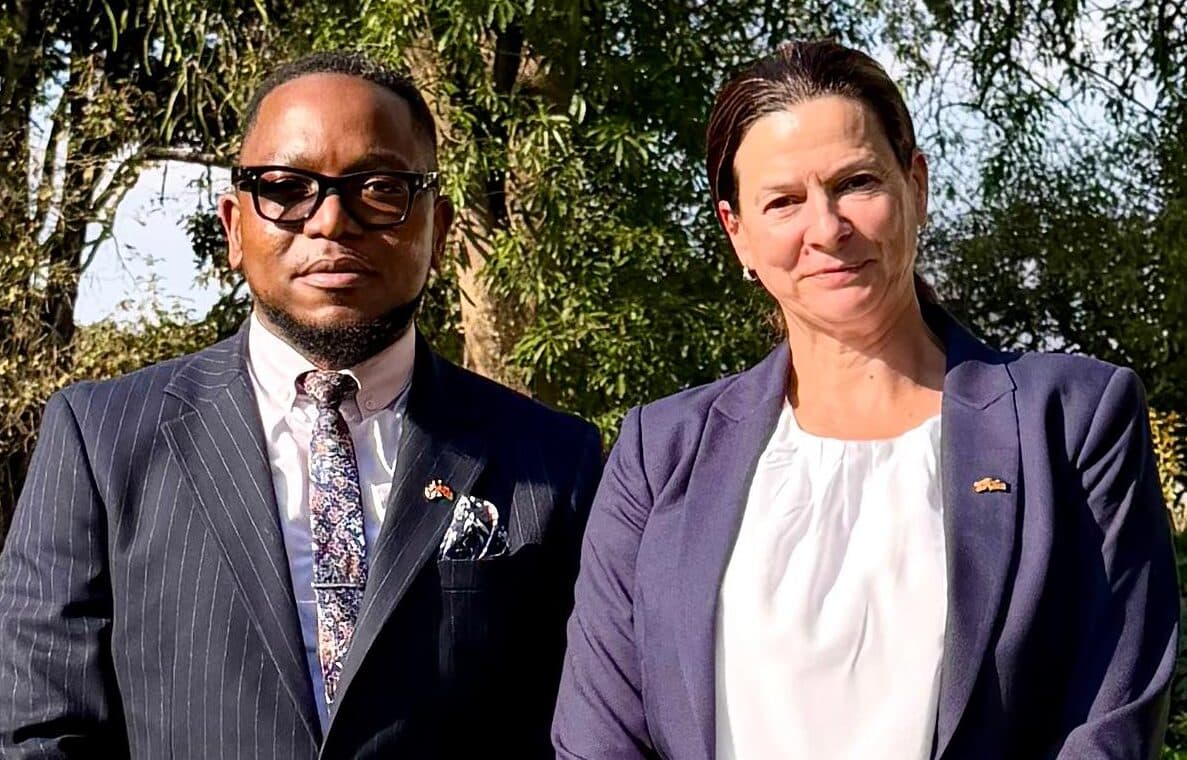
This is also why I devote some of my spare time to the UK–Malawi Chamber of Commerce (UKMCC). Our role is not to replace government or existing institutions — it is to help build a practical commercial bridge between Malawi and the United Kingdom.
We want to help UK businesses identify credible opportunities in Malawi, connect investors with the right partners and institutions, and — equally importantly — help Malawian businesses access opportunities in the UK.
That last point matters. The new relationship cannot simply mean British companies investing in Malawi. A successful trade and investment relationship should also result in more Malawian businesses exporting, accessing international supply chains, attracting technology and investment, and becoming internationally competitive.
Our success should ultimately be judged not by the number of conferences we organise or speeches we make, but by business connections converted into contracts, investment mobilised, exports generated and jobs created.
Malawi must decide what comes next
The UK's changing approach presents Malawi with an opportunity, but it also transfers greater responsibility to us. If development partners increasingly say they want to invest and trade with us rather than simply provide aid, our response cannot simply be to change the terminology in our development strategies. We must become investment ready. That requires difficult reforms, policy consistency, accountability, infrastructure investment, a genuinely enabling environment for the private sector and relentless implementation.
My interest in this is also personal. Malawi is my country of heritage. I find it difficult to reconcile the country's enormous human and natural potential with the levels of poverty experienced by so many of our people.
I do not pretend that UKMCC, or any individual organisation, can change Malawi's economic trajectory. But government has a role. Businesses have a role. Development partners have a role. The diaspora has a role. Chambers and institutions have a role. And as individuals, we each have a role.
As the saying goes, a journey of a thousand miles begins with a single step. I am simply committed to playing my part.
But collectively, our destination should be much more ambitious: a Malawi that produces more, exports more, attracts productive investment, creates opportunities for its young people, and progressively reduces its dependence on aid.
That is the Malawi we should be working towards.
LinkedIn: Hannington Gondwe