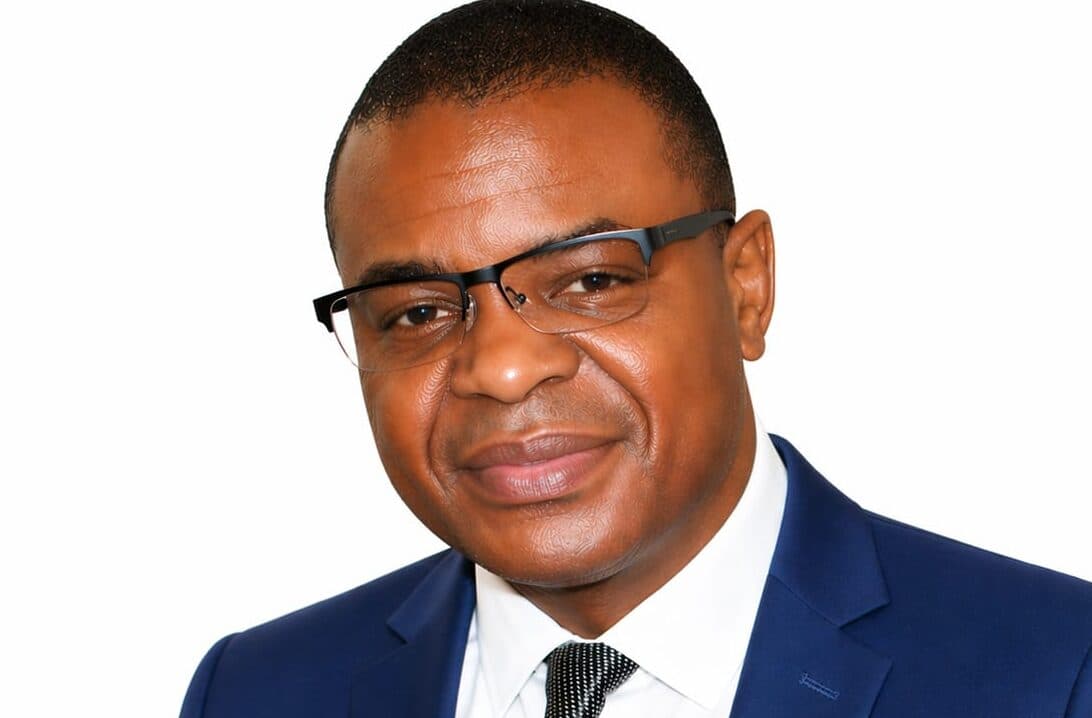
Malawi could attract more foreign investment and cut the cost of its borrowing if it secures an active sovereign credit rating, according to South Africa-based economist Chifipa Mhango.
Welcoming the launch of the Africa Credit Rating Agency (AfCRA), Mr Mhango, Chief Economist and Executive Director of Economic Research and Strategy at the Don Consultancy Group (DCG), said a rating is effectively "a country's financial passport".
Malawi has had no active rating since its last one, a B- from Fitch, expired in 2007.
Mhango said only about 32 of Africa's 55 countries have an active rating from at least one of the big three agencies, Moody's, S&P Global Ratings and Fitch Ratings. That leaves about 23, including Malawi, without active coverage.
Without a current rating, he said, investors cannot rely on a regularly updated assessment of Malawi's fiscal position, debt, foreign-exchange position, institutions and economic prospects.
The country remains less visible to international investors, struggles to price its risk and faces higher borrowing costs.
He said the benefits go beyond state borrowing. "Sovereign risk perceptions frequently influence the financing conditions facing domestic banks and companies seeking international capital," he said.
"Improving sovereign credibility can therefore contribute to a broader improvement in the country's investment and financing environment."
Mhango cautioned against chasing a good grade.
"For Malawi, the objective should not be to seek a favourable rating. It should be to obtain a credible rating," he said.
A difficult rating that exposes weaknesses is more valuable than no benchmark at all, he argued, because it shows policymakers and investors where the risks lie and offers a measurable path to improvement.
He said a rating should be part of a long-term strategy to rebuild financial credibility, anchored on fiscal discipline, debt sustainability, transparency and stronger institutions.
Mhango said AfCRA's success will depend on independence, rigour, transparency and investor trust, not simply on being African.
"Credibility must come before favourable outcomes," he said.
The real test, he added, is whether its ratings influence capital allocation, lending, bond pricing and investment decisions.
His comments come days after President Peter Mutharika told the nation last weekend that debt restructuring has become unavoidable.
He said nearly all government revenue is being swallowed by debt servicing, leaving little room for essential imports or public services.
Mutharika said Malawi will still need to borrow, but that future loans must go strictly to development projects rather than consumption.