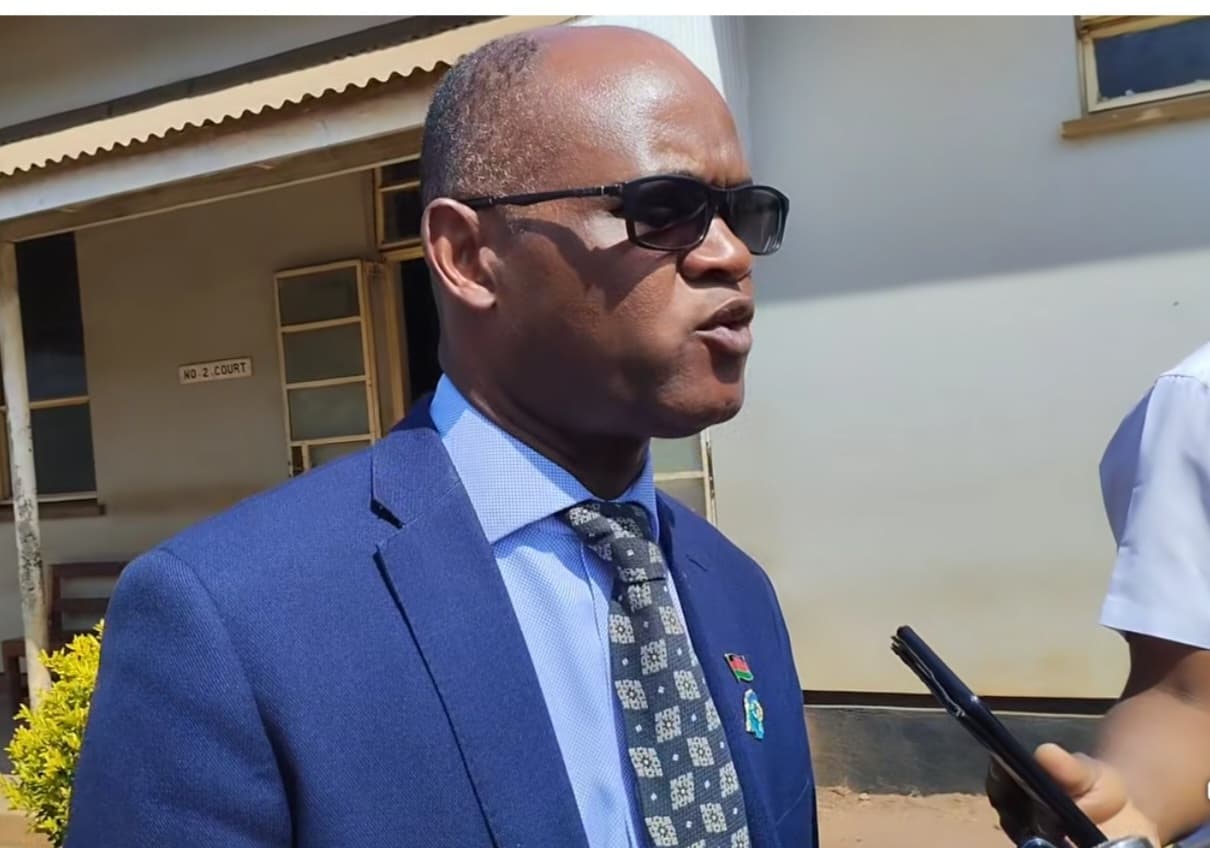
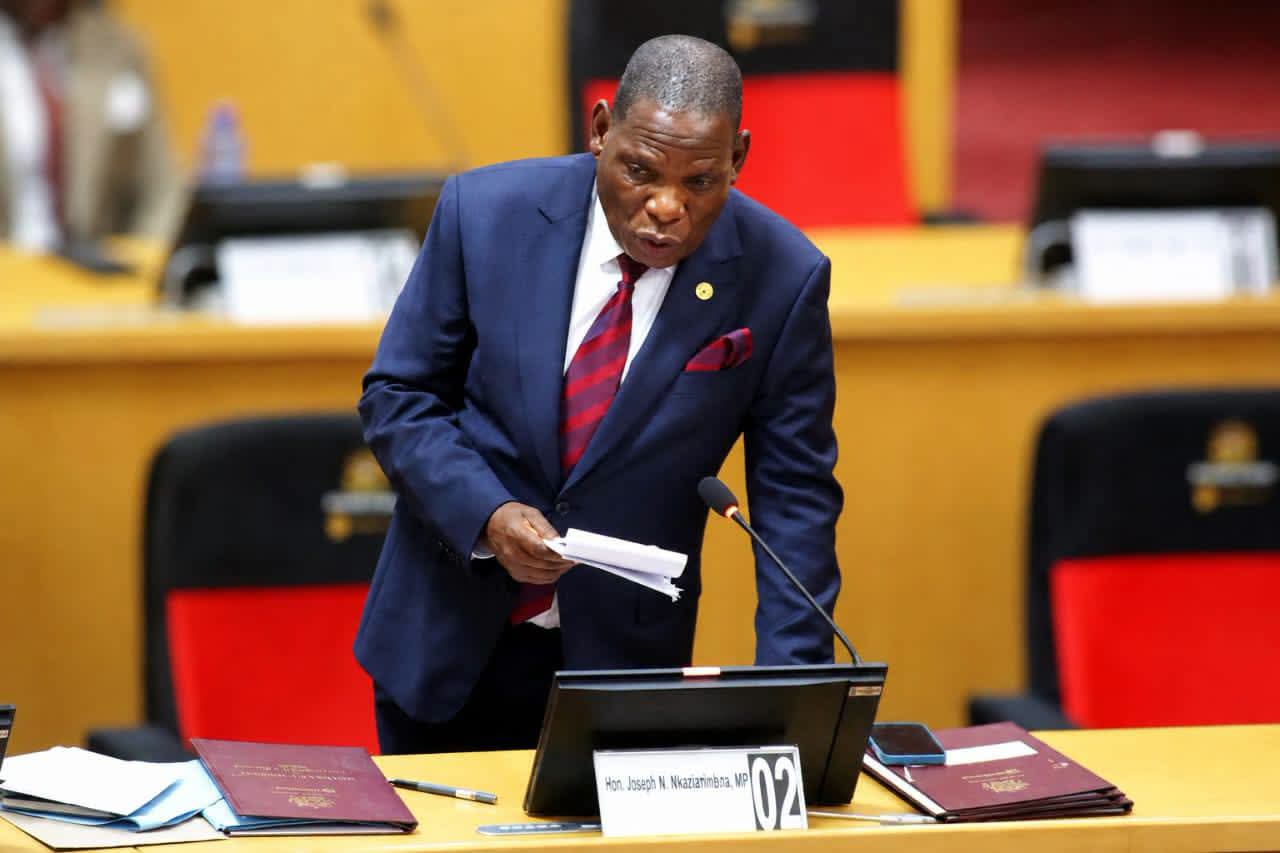
Prominent civil society activist Sylvester Namiwa will spend at least another week behind bars after the High Court set next Wednesday as the date to hear his bid for bail.
The Centre for Democracy and Economic Development Initiatives (CDEDI) executive director's lawyers have already lodged an urgent application seeking his release from police custody — but the court has ruled the matter cannot be heard until next week, leaving the activist locked up in the meantime.
Namiwa was arrested last Thursday and now faces a raft of serious charges that have reignited fierce debate over how Malawi treats government critics and dissenting voices.
Police have slapped him with charges of attempting to overthrow the government and publishing false information likely to cause fear and alarm — with the treason-related allegation carrying the threat of severe punishment should he be convicted.
The high-profile arrest has sent shockwaves through Malawi's civil society community, given Namiwa's standing as one of the country's most outspoken and recognisable government critics.
His detention has thrust uncomfortable questions to the forefront of public debate — namely, where the line should be drawn between legitimate criticism of those in power and conduct that can be prosecuted under criminal law.
When the case returns to court next Wednesday, prosecutors will be forced to justify why Namiwa should remain locked up, while his legal team is expected to argue forcefully that he must be freed while the case against him plays out.
It will mark Namiwa's first real chance to challenge his detention before a judge — with his lawyers pushing for bail rather than allowing him to languish behind bars while investigations continue.
Judges will now have to weigh up arguments from both sides before deciding whether the activist should walk free — and if so, under what conditions.
Namiwa has not been convicted of any wrongdoing, and the serious allegations against him remain just that — untested claims that will now be picked apart in court.
But his continued imprisonment has already transformed what might otherwise have been a routine legal case into a closely watched flashpoint, with civil society groups and political observers keeping a keen eye on how authorities proceed.
Next Wednesday's bail hearing is shaping up to be an early and crucial test in a case that has gripped the nation — with Namiwa's freedom hanging in the balance until then.