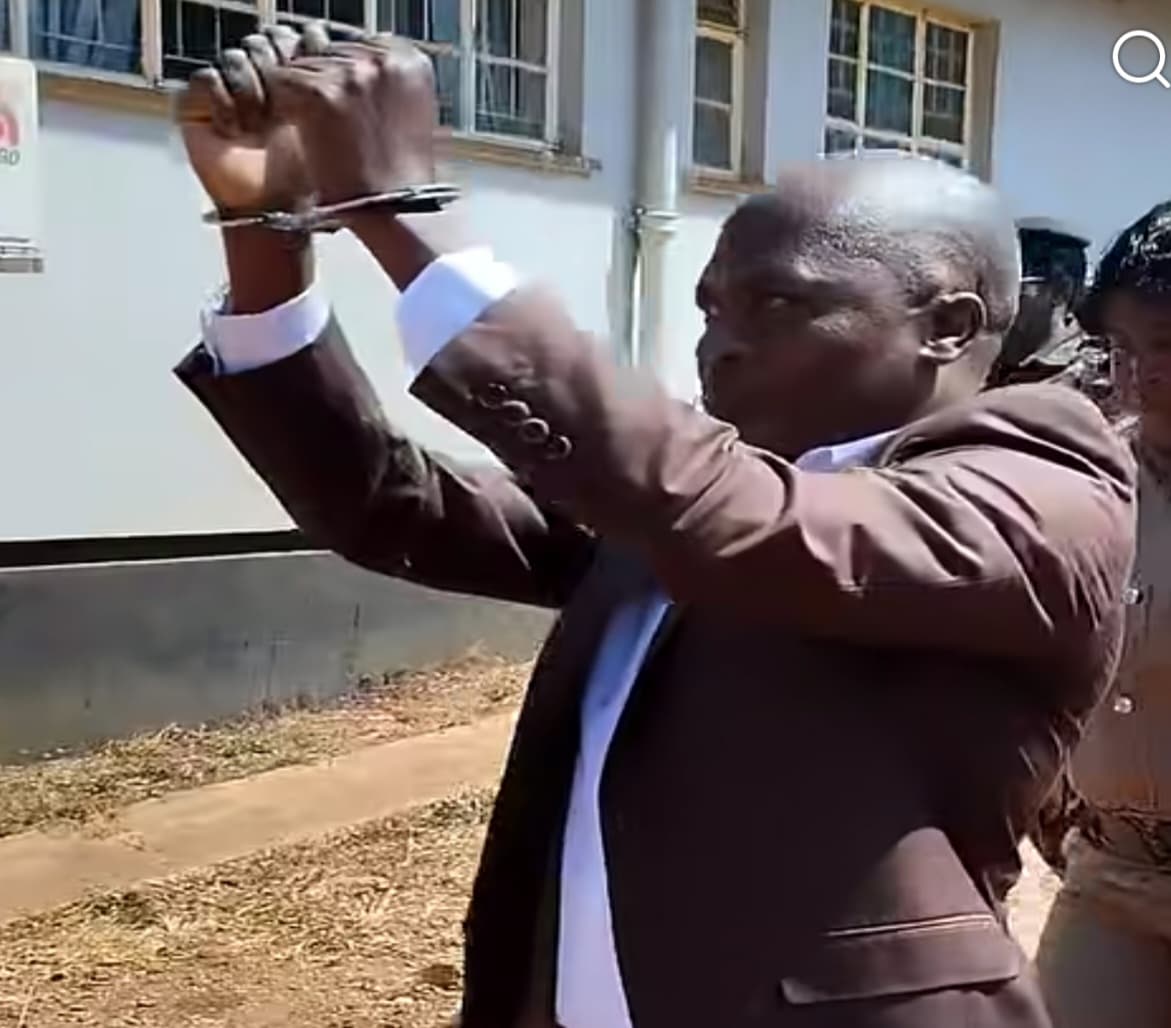
Three of Malawi's opposition parties have joined forces in a united and forceful defence of detained activist Sylvester Namiwa, launching a scathing challenge against the State's decision to prosecute him for treason and warning the country risks sliding dangerously close to becoming a "police state."
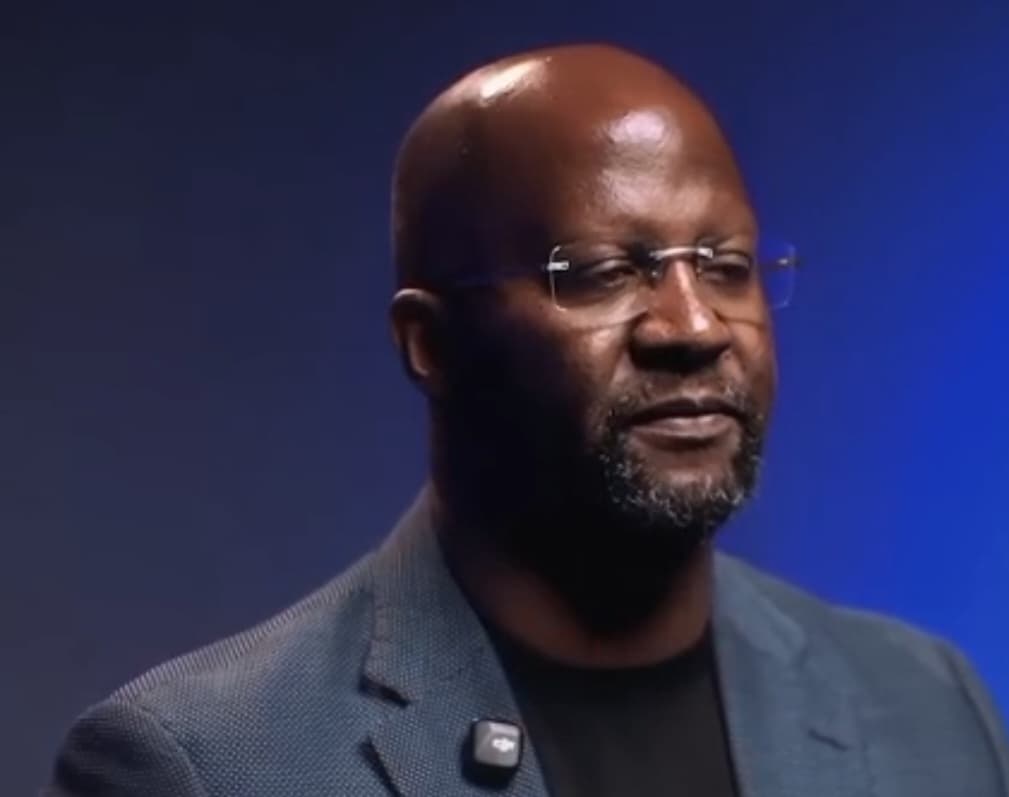
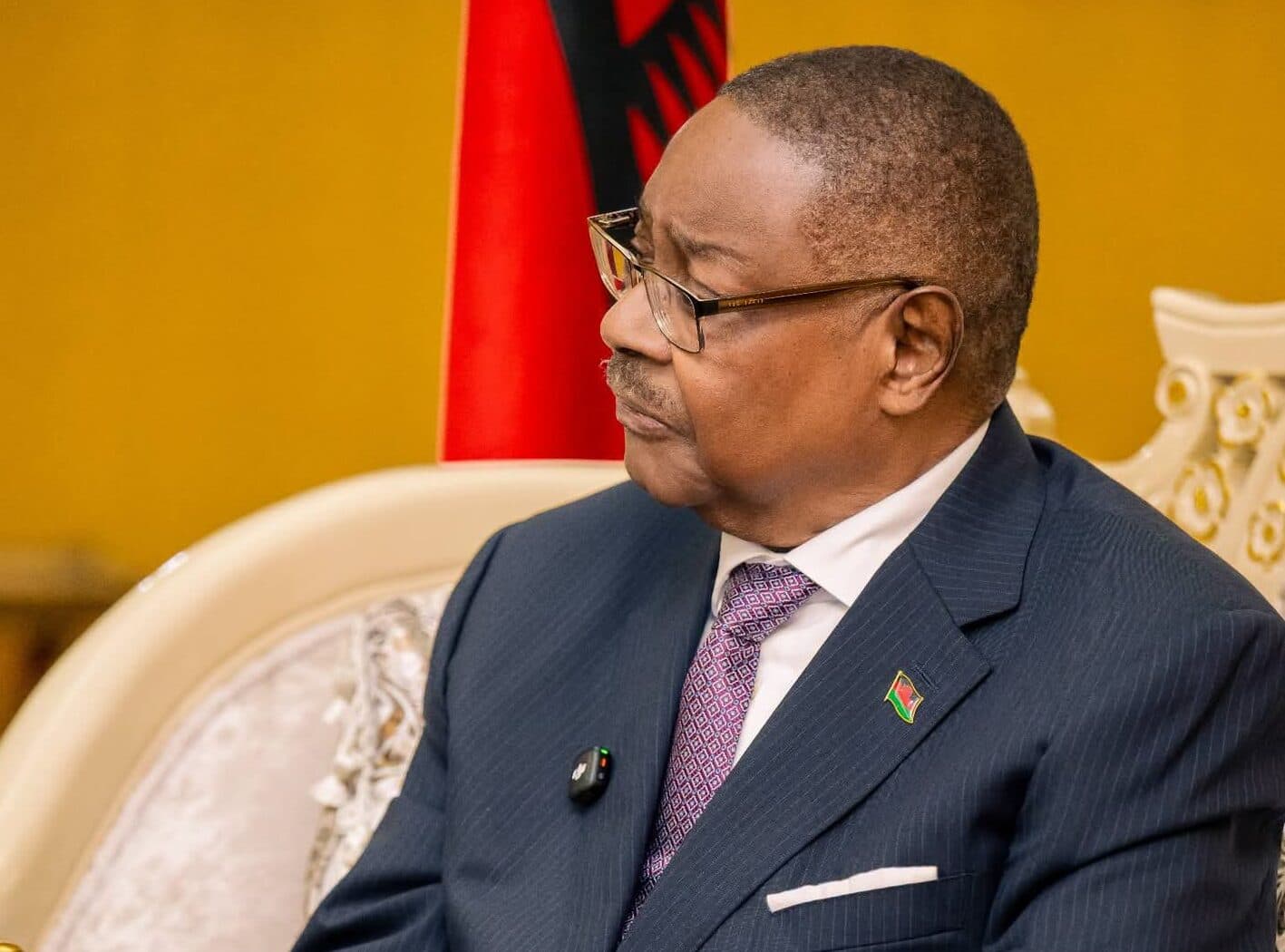
In a hard-hitting joint statement, People's Development Party (PDP) president Kondwani Nankhumwa, UTM Party president Dalitso Kabambe and United Democratic Front (UDF) president Atupele Muluzi declared themselves deeply alarmed by both Namiwa's arrest and the decision to slap him with one of the most serious offences under Malawian law.
The trio's central argument is blunt: political speech, no matter how provocative or controversial, should never be automatically elevated to treason without hard evidence of genuine criminal conduct.
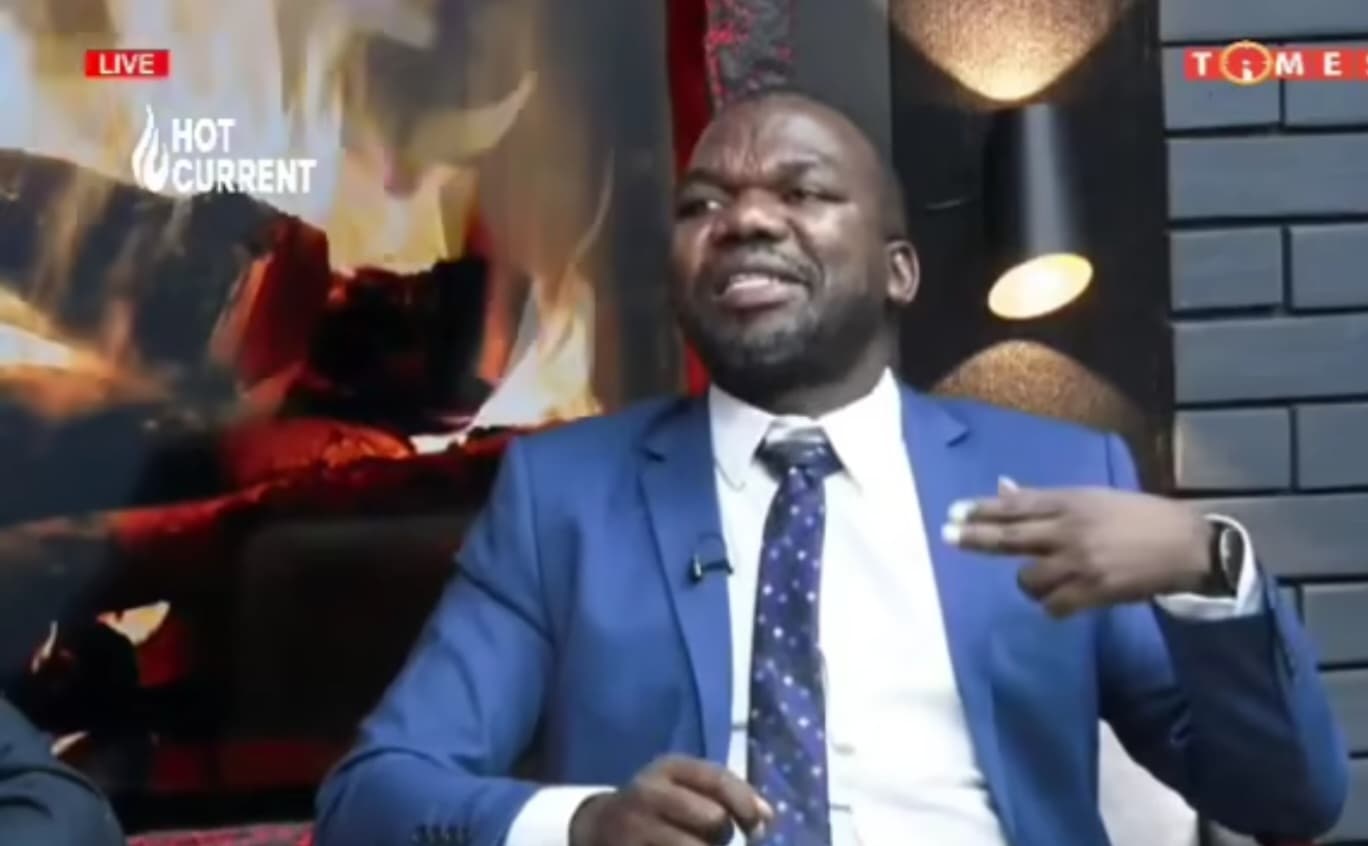
The opposition leaders revealed their own examination of the charge sheet has left them deeply troubled, suggesting the treason allegation appears to rest almost entirely on comments Namiwa made during a single television interview — rather than on any concrete evidence of violence, armed insurrection, recruitment or conspiracy aimed at overthrowing the Government.
That, they argue, forces Malawi to confront an uncomfortable and fundamental question: "When does political speech become treason?"
The parties insisted that a political prediction being wrong, an opinion being provocative, or a statement being unpopular are simply not enough, on their own, to transform political expression into an act of treason — pointing to constitutional protections around freedom of opinion, expression, the press and political participation as rights belonging to every Malawian, not privileges handed down by government.
' Do not punish Namiwa before he is found guilty '
The three parties also turned their attention to the separate charge against Namiwa relating to the publication of false news, insisting that while such allegations must ultimately be tested through evidence, he — like any accused person — remains innocent until proven guilty in a court of law.
They flatly rejected any suggestion that pre-trial detention should be used as a form of punishment for charges that have not yet been proven, calling instead for Namiwa's immediate release, or at the very least his release on appropriate bail, unless the State can convincingly demonstrate before an independent court that his continued detention is genuinely necessary.
"We do not seek to obstruct justice or prejudge the courts," the parties stressed, insisting their concern lies purely with ensuring justice remains lawful, proportionate, transparent and constitutional.
A chilling warning against turning criticism into conspiracy
In perhaps the most striking passage of the statement, the three parties issued a stark warning against what they described as the potential emergence of a "police state" — one in which criticism is treated as conspiracy, accountability as rebellion, and uncomfortable voices as threats to national security.
They insisted the implications of the Namiwa case stretch far beyond one individual activist.
"Today it is Sylvester Namiwa. Tomorrow it could be a journalist, a human-rights defender, an activist, a political leader, or an ordinary Malawian who asks an uncomfortable question," they warned.
For the three leaders, the true danger lies not in the prosecution of a single person, but in the dangerous precedent it could set for how the State responds to dissent more broadly — arguing that silence in the face of one person's threatened freedoms only weakens protections for everyone.
Parties distance Vice-President Ansah from the Namiwa row
In a notable twist, the statement also moved to draw a clear political line around Vice-President Jane Ansah, with the three parties stressing their intervention should not be read as questioning her constitutional standing in any way.
They emphasised that Ansah bears no responsibility whatsoever for Namiwa's remarks, warning against any attempts to drag her further into the controversy or use the case as a pretext to isolate her office further — branding such conduct an abuse of the very constitutional order the case is meant to protect.
Call for international scrutiny
The three opposition leaders have gone further still, formally appealing to the United Nations Resident Coordinator and UN Country Team in Malawi, the African Union, SADC, the Commonwealth, the Malawi Human Rights Commission, the Malawi Law Society, and civil society organisations to closely monitor the unfolding case.
They are demanding these institutions actively engage with authorities to ensure Malawi's constitutional and international human rights obligations are fully respected throughout the legal process.
At the same time, the parties appealed directly to ordinary Malawians to remain calm and peaceful, allowing lawful processes to run their course — while insisting the defence of constitutional freedoms is a responsibility shared by every citizen, not just opposition politicians.
' The real test of democracy'
The joint statement ultimately frames the entire Namiwa saga as a defining test of Malawi's democratic maturity, with the three parties arguing that true democracy is not measured by how a government treats those who praise it — but by how it treats those who dare to question, criticise and challenge those in power.
Their closing message was as blunt as it was unambiguous: "Malawi must remain a democracy, not a police state."