A youth activist has accused Malawi's politicians of using football tournaments as a substitute for meaningful youth development, arguing that money spent on community trophies would be better invested in skills training, education and job creation.
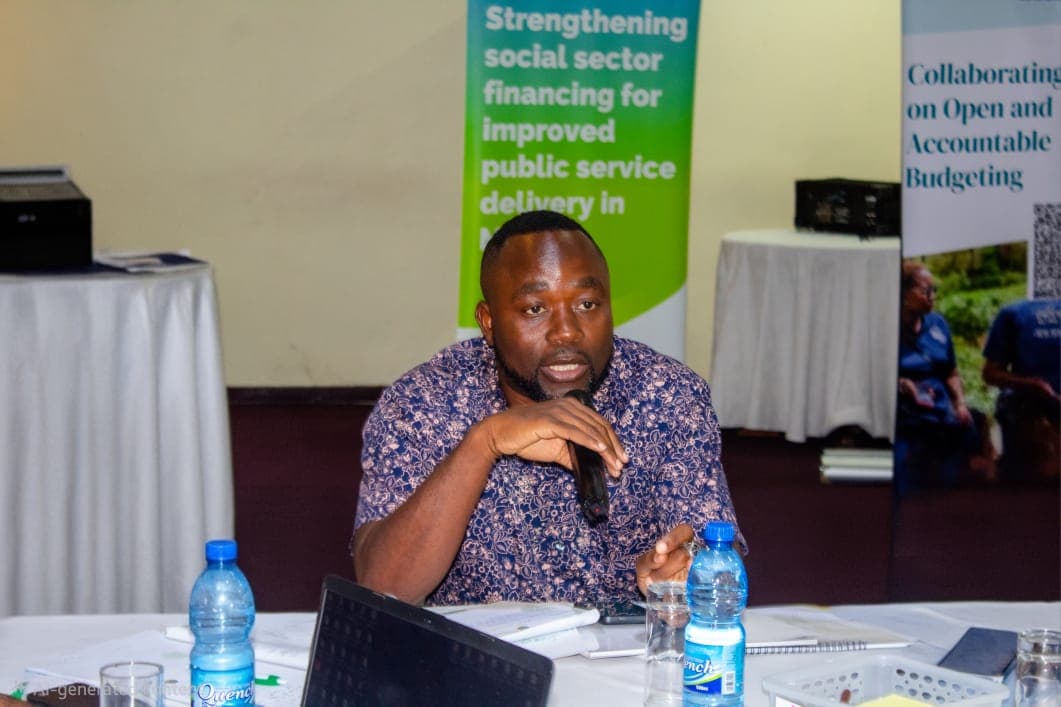
In a strongly worded statement that has gained wide attention on social media, Peter Mumba challenged Members of Parliament to rethink what genuine investment in young people should look like.
Across Malawi, football competitions sponsored by politicians have become a familiar feature of constituency life. Weekend tournaments often draw large crowds, with MPs presenting trophies, addressing supporters and promoting community engagement.
Mumba, however, argues that such initiatives do little to address the structural challenges facing young people.
"Football is good. We all love it," he said. "But football will not put food on the table. It will not send a girl back to school. It will not give a young person a job."
Mumba, who works with young people at grassroots level, said football had increasingly become a vehicle for political mobilisation rather than a tool for social transformation.
He argues that while sports can play an important role in promoting health, recreation and talent development, they should not be presented as a substitute for broader youth empowerment programmes.
His criticism touches on a wider debate about how public figures engage with Malawi's youthful population.
According to Mumba, many constituencies continue to face significant challenges, including under-resourced schools, limited healthcare services, youth unemployment and high rates of school dropout among girls.
"The youth of Malawi need real programmes," he said.
Mumba pointed to children walking long distances to school, communities with inadequate classroom facilities, clinics struggling with medicine shortages and young people unable to access skills training or start-up capital.
These, he said, require sustained investment rather than symbolic interventions.
He also questioned whether political leaders were prioritising the same opportunities for constituency youth that they seek for their own children, who often have access to better educational and career prospects.
At the centre of his argument is a call for a shift in spending priorities. Rather than funding football trophies, Mumba believes resources should be directed towards initiatives with longer-term social and economic impact.
Among his proposals are bursaries and hostel facilities for girls, vocational training centres, support for youth-led businesses, strengthened health services and improved social protection programmes for vulnerable households.
"If you have K5 million for football, you have K5 million for a youth irrigation scheme, or a girls' dormitory, or sewing machines for young mothers," he argued.
His comments come as Malawi continues to grapple with the challenge of creating opportunities for a rapidly growing youth population.
Young people make up the majority of the country's population, yet unemployment and underemployment remain persistent concerns.
Development specialists have long argued that investments in education, skills development and entrepreneurship are critical if Malawi is to harness the economic potential of its young population.
While acknowledging the value of sport, Mumba warned against reducing youth policy to tournaments and public events.
"The ball will burst," he said. "What will remain for our youth?"
As MPs enter the second year of the current parliamentary term, his intervention is likely to resonate with a growing number of young Malawians seeking tangible improvements in their lives rather than symbolic gestures.