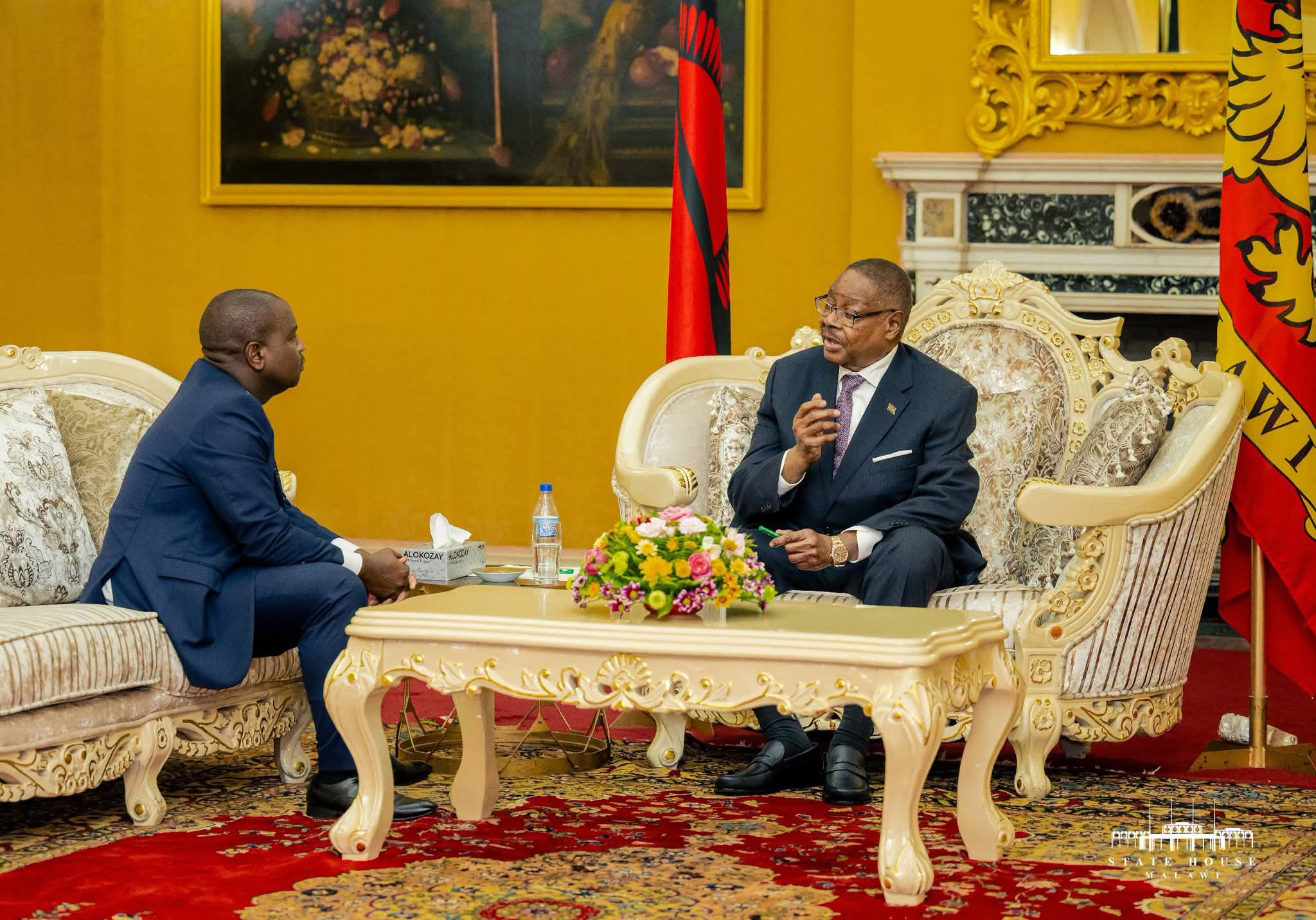
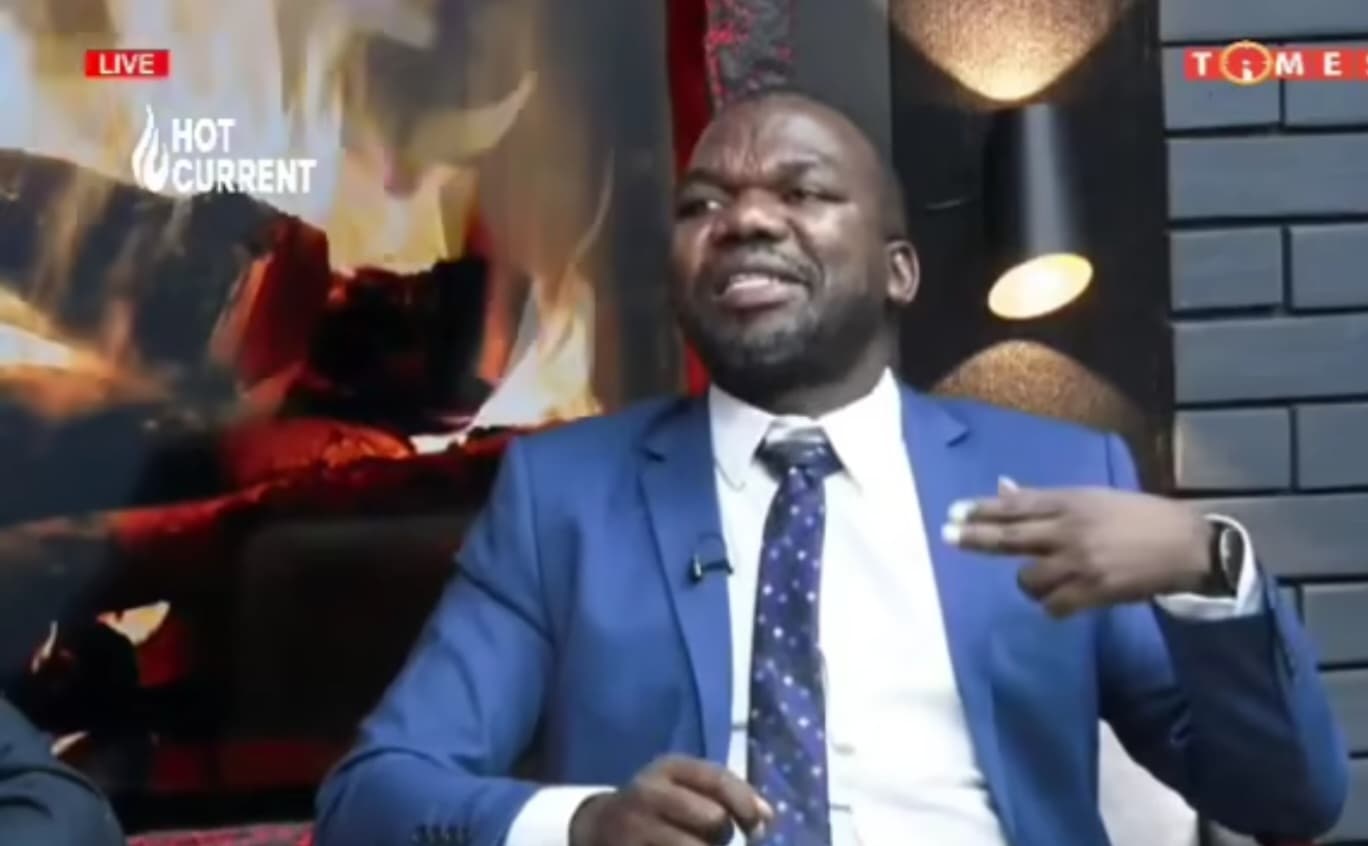
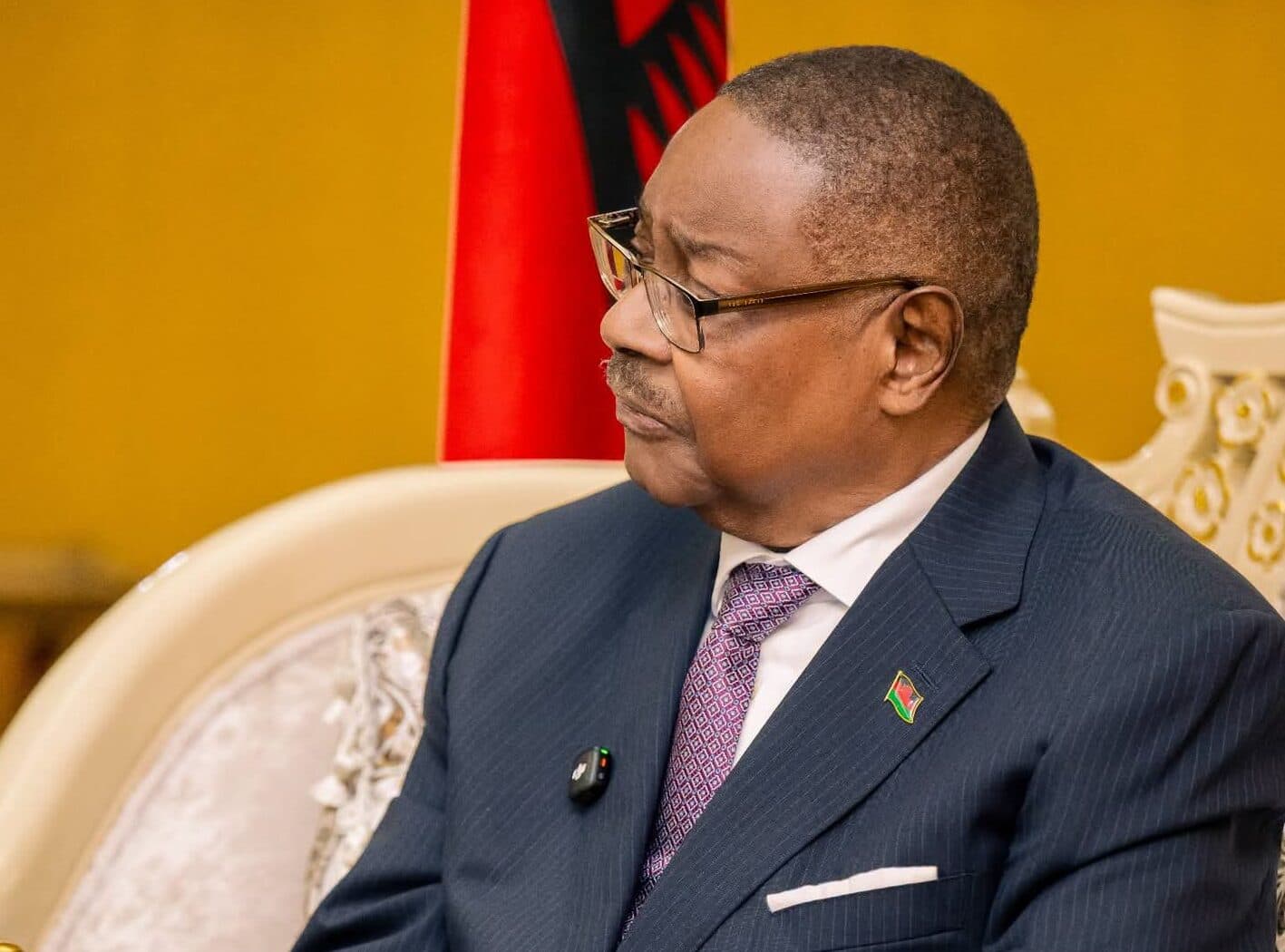
President Peter Mutharika has marked one year back in office with a wide-ranging reflection on his return to power, telling Malawi Broadcasting Corporation on Sunday evening that his time out of government had sharpened his determination to rebuild the country.
"It was very exciting time, I can tell you that, after five years in the wilderness," Mutharika said in his opening remarks during the interview with Simon Shumba, thanking Malawians for "the confidence they showed on me" in returning him to office.
He noted he was now the first person to win Malawi's presidency three times, and the first to secure three million votes in an election.
"It has been a very exciting journey, it has been like a rollercoaster like anything else," he said, adding that his administration had "achieved a lot of things we set out to do."
He described his central mission in explicitly two-part terms: first, to "liberate this country and restore freedom to the people because people were threatened," a goal he said was now achieved; and second, to rebuild the country after what he described as a difficult inheritance from the previous administration of Malawi Congress Party led by Lazarus Chakwera.
"We inherited a difficult situation as bad as it can get," he said. "We have tried our best to make some changes, certainly food security, that is the most important thing."
Mutharika pushed back firmly against critics who have downplayed food security as an achievement.
"I know some person said that achieving food security is not an achievement. I was surprised to hear that because ask those people in Machinga eating Chitedze, or Nyika in Chikwawa and Nsanje; they will tell you what it means, it was an achievement" he said.
On the broader economy, he was candid about the limits of a single year.
"The economy cannot be repaired with a magic hand, it's a process," he said. "It will take longer but we are trying our best."
He said he was "pleased with the support that we are getting" from economic sectors and from Malawians themselves.
The president also pointed to what he called newfound personal and political freedom under his administration, framing it in explicitly historical terms.
"Malawians are now free, there are no longer hostages in their own country," he said, using the Chichewa phrase " palibe kuzunzika " — there is no more suffering — to contrast the present with what he described as a past era of fear, referencing " zikwanje ," a term associated with violent political intimidation.
"I am proud of that," he said.
He also cited the rollout of free secondary education and expanded loan access for tertiary students as achievements he was proud of, thanking banks for "providing loans for whoever needs for education."
Asked about a widely shared photograph of him at his desk working overnight, Mutharika said it had been taken without his knowledge by a relative.
"I work very, very hard," he said. "I like to work but I do have time to rest, I do relax with the family."
He said he follows international news through CNN, BBC and Al Jazeera, and listens to music — though he declined to say which.
"Don't ask me which music, that is a state secret," he said in a lighter moment.
Looking ahead, Mutharika called for national unity in the task of rebuilding, appealing directly to the private sector, civil society, faith groups, youth and women to work together.
"Nobody is coming from outside this country to rebuild this country," he said. "We must unite."
He acknowledged that the path ahead would involve difficult, unpopular decisions, including on taxation.
"It will be a rough road. We are taking measures but they are painful," he said. "I know people don't like paying more taxes. We have to do that, to sacrifice. In the long run we will be able to succeed."
Mutharika said he has achieved 50 percent of what he set out to do in his first year in office.