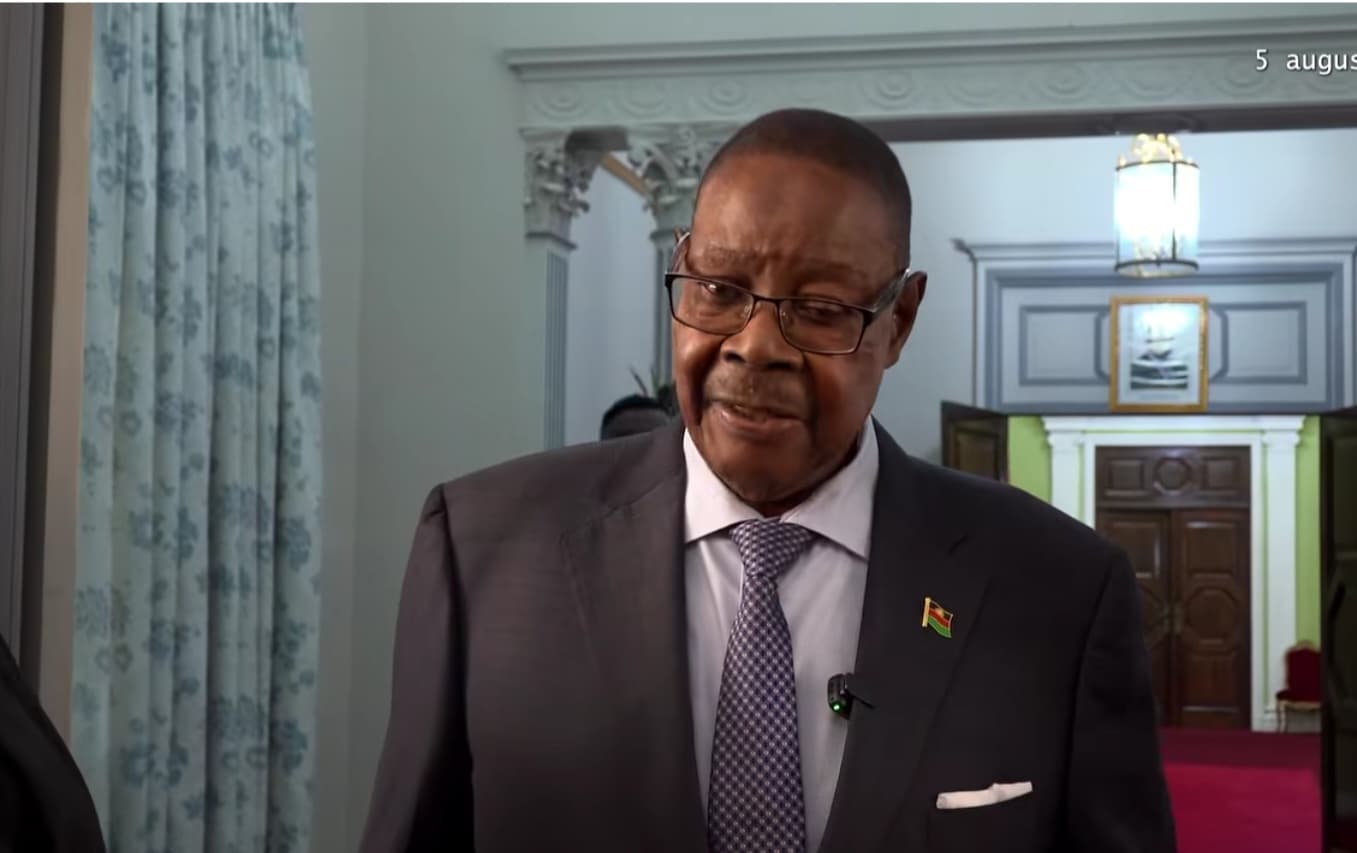
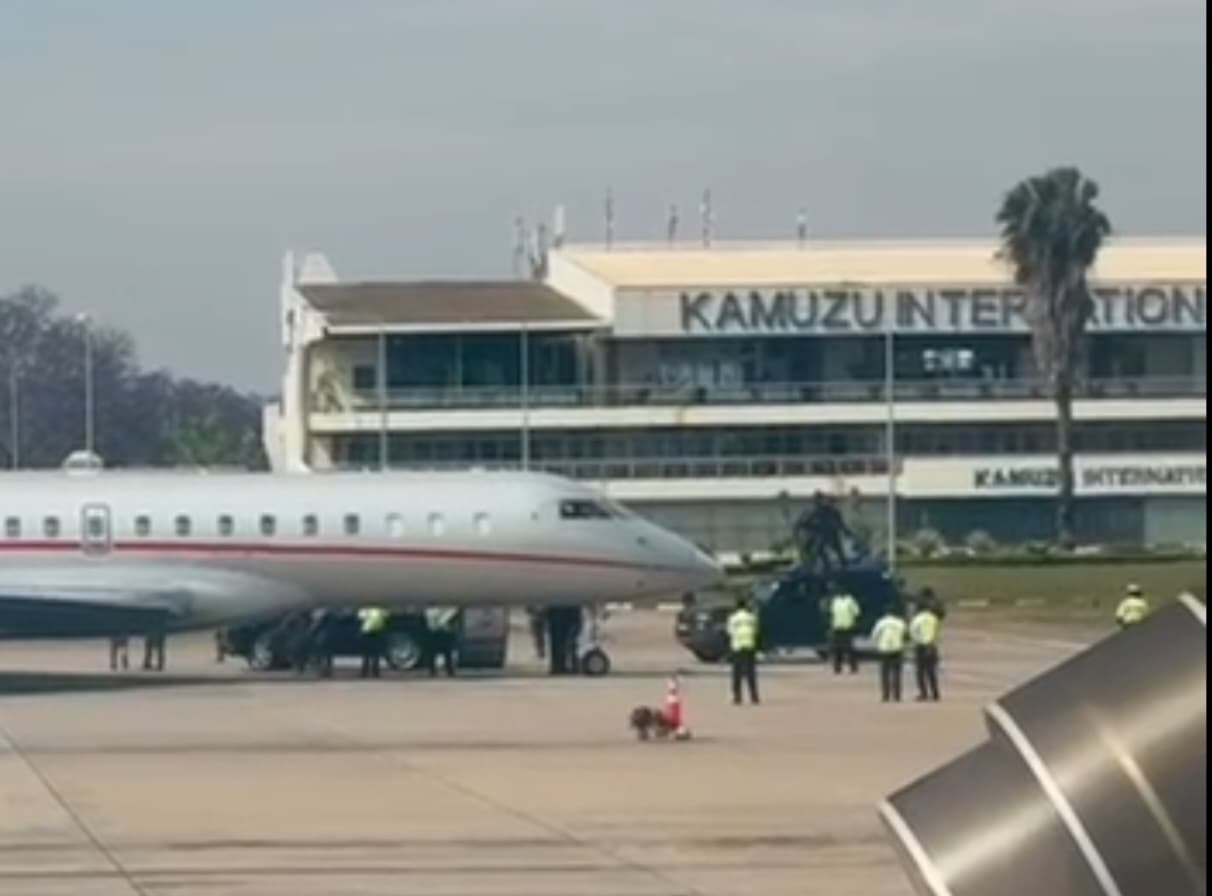
There is a particular kind of silence that accompanies a head of state's travel once it becomes routine rather than remarkable — and Malawi appears to be settling into exactly that silence with President Peter Mutharika's trips to South Africa.
The latest departure came with the barest of explanations. A letter from Chief Secretary Justin Saidi informed Malawians only that the president had left the country, and that whatever business awaited him was private — a visit, in other words, that officials have decided is none of the public's concern.
What makes this latest trip notable is not its content, which remains undisclosed, but its place in a pattern.
Since returning to the presidency last September, Mutharika has now travelled to South Africa five times, and on each occasion the stated purpose has been withheld in much the same way.
The first trip came on 1 December, barely four months into his term. He went again on 1 March, returning on 12 March. A third visit followed on 12 June, with his return on 29 June. The fourth came on 5 August, concluding on 15 August. This is the fifth.
Taken individually, none of these trips demands particular scrutiny. Heads of state travel privately for all manner of reasons — medical, personal, familial — and a president is not obliged to account for every hour spent outside his own borders.
But taken together, five undisclosed visits to the same country within roughly a year begins to look less like an occasional private matter and more like an established rhythm of governance, one the public is simply expected to accept without explanation.
That expectation sits awkwardly against the backdrop of recent weeks, in which Mutharika's physical fitness has become a subject of open political contest.
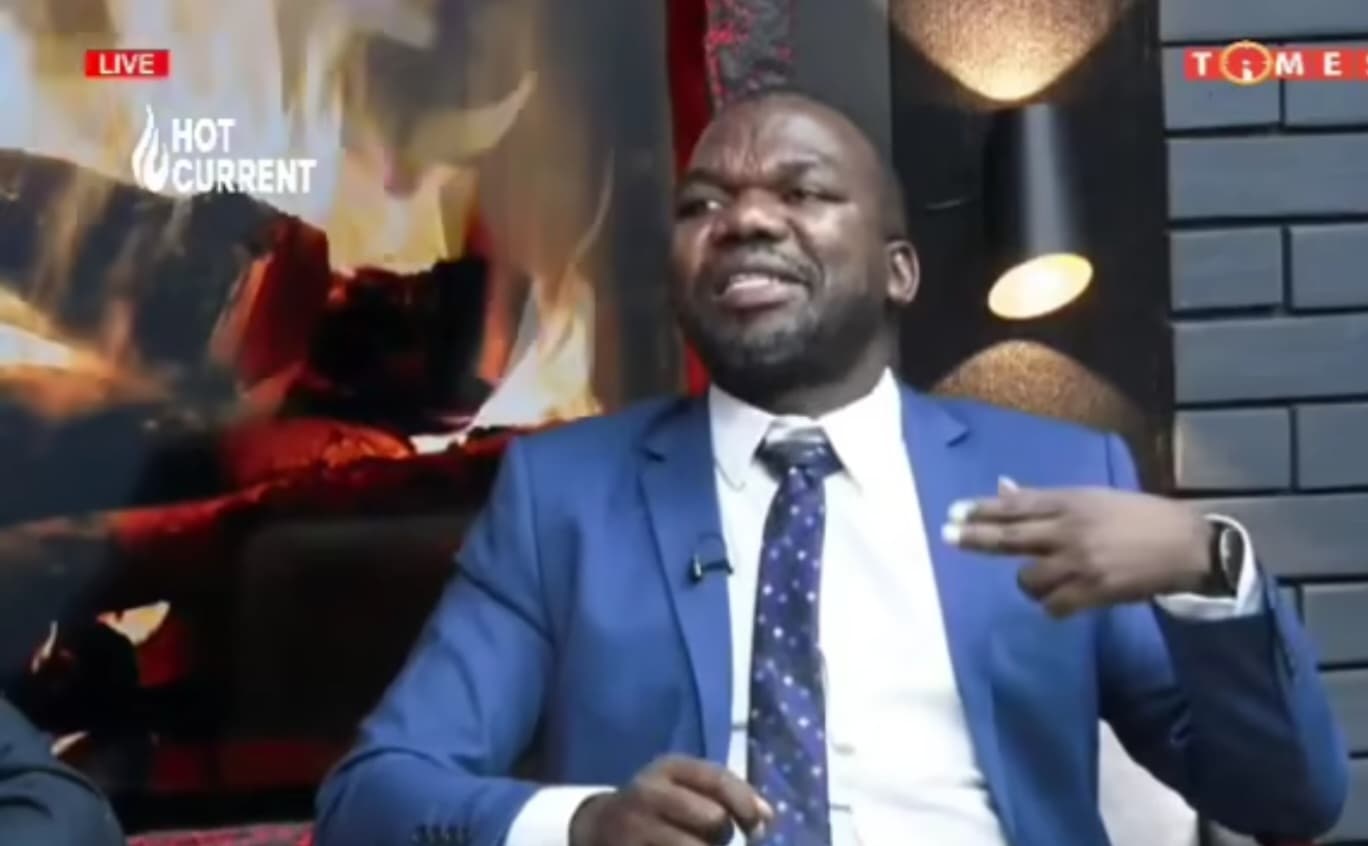
Opposition figures have publicly questioned his health and called for proof of his wellbeing; commentators sympathetic to the government have in turn pointed to his composed appearance on state television as evidence that such concerns are overblown.
Into that already charged atmosphere, a fifth unexplained trip to South Africa does not arrive neutrally. It arrives into a vacuum that has already shown itself eager to be filled with speculation, whether or not that speculation has any basis in fact.
None of this is to suggest the government owes the public a medical bulletin, or that private time abroad is inherently suspicious. It is simply to note that repetition changes the character of a thing.
A single undisclosed visit is private. A pattern of undisclosed visits, each handled with the same brief, incurious statement, starts to resemble a policy — one in which the governed are asked to extend indefinite trust to a government that has not, on this particular question, offered very much reason for it.
Malawians may well be content to let the president keep his reasons to himself. But that contentment is easier to sustain when the silence is occasional, and harder to sustain when it becomes, as it now appears to be, simply how things are done.