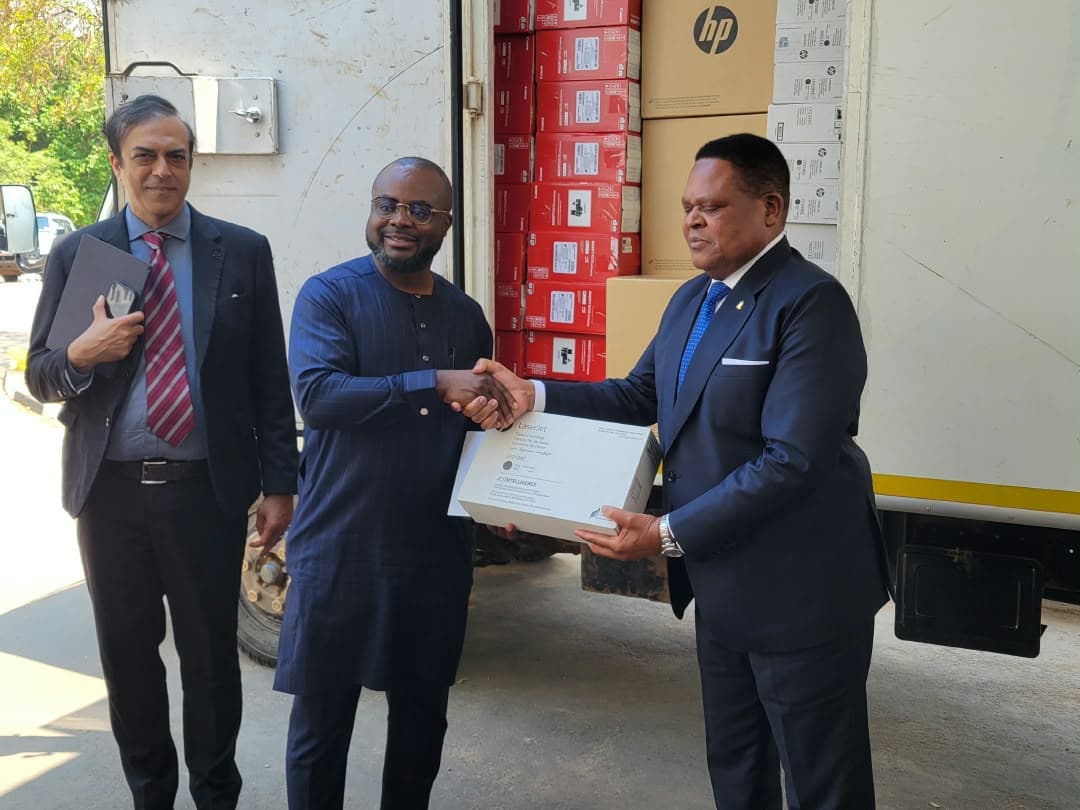
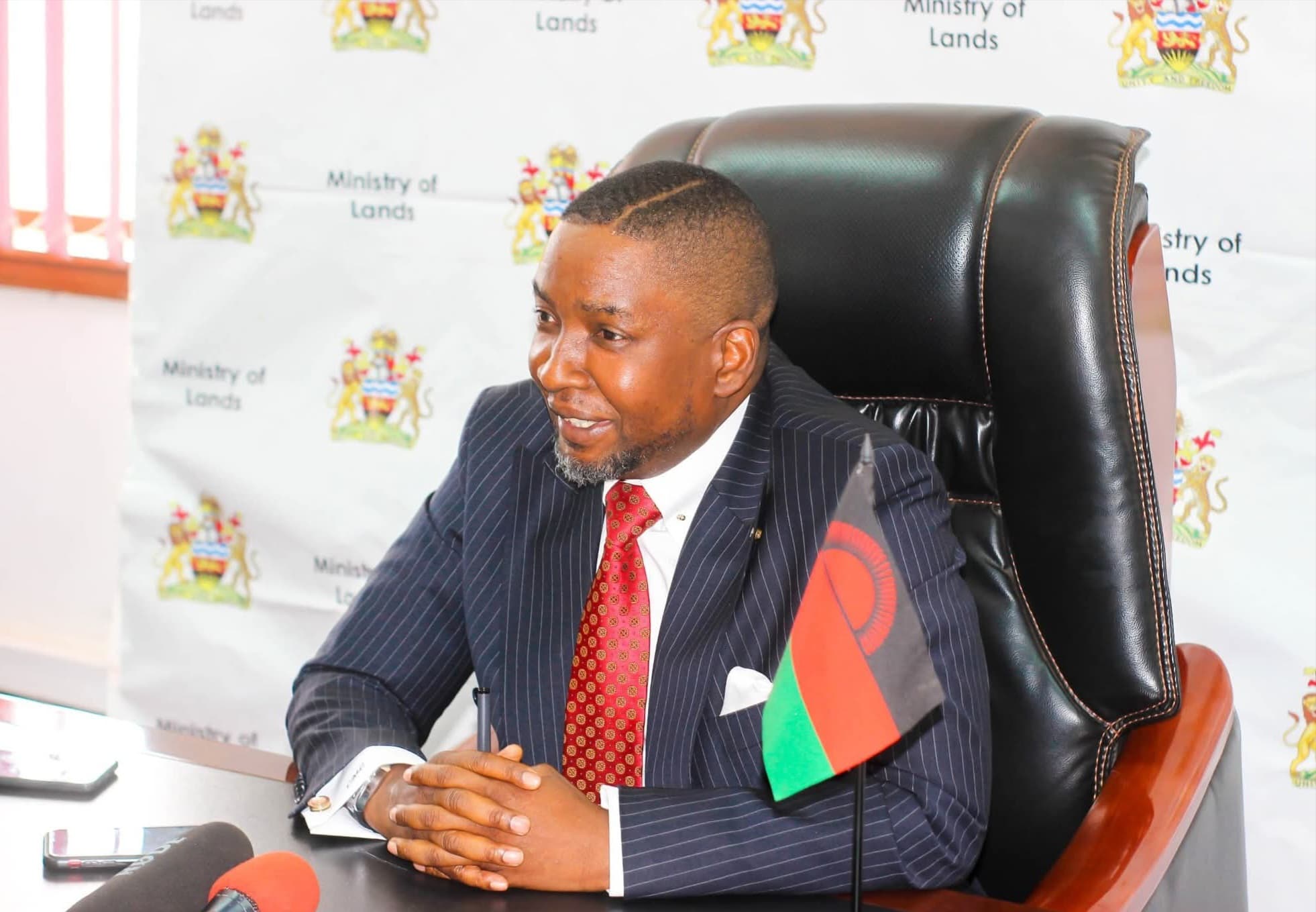
The United Nations Development Programme (UNDP) has donated 52 printers to help Malawi register births and deaths at health facilities, Homeland Security Minister Peter Mukhito has said.
Speaking at the handover in Lilongwe, Mr Mukhito said the printers are about more than equipment.
"It is about identity. It is about dignity. It is about inclusion, and ultimately, it is about people," he said.
The printers are for health facilities, with more for National Registration Bureau (NRB) offices at Traditional Authority level. The donation comes through UNDP's Inclusive Digital Transformation for Malawi project, funded by the European Union, Norway and Ireland.
Mr Mukhito said citizens have long travelled far to get certificates because printing was centralised. Already 180 health facilities have been digitalised, he said, and the new printers will let more of them print birth certificates on site.
Registration is also being extended through Traditional Authority and Sub-Traditional Authority offices in several districts.
"Our policy objective is simple: register people where they live, connect the information securely, and deliver the document where it is needed," he said.
He said the work is part of wider modernisation through the NRB, including digital ID, the Nzika Wallet, electronic payments and digital marriage registration.
He warned that equipment alone is not enough. He urged the NRB, the Ministry of Health, district councils and health facilities to deploy, maintain and monitor the printers.
"The true value will be measured by how quickly and reliably citizens receive their certificates," he said.
UNDP Deputy Resident Representative Chika Charles said the equipment will extend birth and death registration to 52 more facilities. That builds on an initial 60 and brings the total to about 120.
He said the integrated registration application has been piloted at 87 locations in five districts, with plans to expand to 250 by 2028.
Children are registered at birth and issued certificates with a unique national identity number, linked to their parents' records.
"Anybody can go and buy printer and install printer, but success will ultimately be measured by the number of citizens who can access essential services more easily, affordably, and with dignity," he said.
Mr Charles said UNDP is also helping the NRB set up an identity verification unit to enable secure checks across public and private institutions.